
Social Media Millionaires That Don't Exist: How to Spot Fake Wealth Scams

- Social Media
- December 3, 2025
Table of Contents
Millions of social media users scroll through Instagram, TikTok, and YouTube, captivated by so-called “self-made millionaires.” Luxury cars, exotic vacations, and flashy watches flood their feeds, but not everything is as it seems.
People call this trend “rich-flexing,” where scammers use borrowed luxury items and AI-generated rich personas to appear successful. The goal is to convince viewers that the influencer is genuinely wealthy. One common example of this is the “Anna fake millionaire” scammer, who built a fake online persona using rented luxury items and AI-edited content to appear wealthy and trustworthy.
These fake luxury influencers run proof-of-wealth scams, pushing AI-edited dashboards, staged penthouses, and social-proof scam tactics. They use it to attract victims into online investment fraud. These scams, created with AI and featuring fake influencers, can cause serious financial loss and emotional strain. Victims often watch their savings disappear while struggling with the stress and shock of what happened.
Around 32% of today’s investment scams begin on Instagram, TikTok, and similar platforms. Scammers now use AI-driven fake wealth personas to create millionaire lifestyles that look real.
In this blog, you will learn how scammers create fake wealth using luxury rentals, AI tools, and fake dashboards. The different types of fake millionaire scams online, warning signs to spot these scams before you lose money, and how to protect yourself.
What Are Social Media Proof-of-Wealth Scams?
Proof-of-wealth scams on social media are schemes in which an influencer collects wealth for ulterior motives, usually to convince their followers to pay them to invest in their financial schemes and/or paid programs.
The scammer typically posts manipulated images of luxury cars or villas that were rented or staged, uses fake but believable testimonials, or constructs a sense of credibility through AI-generated faces or deepfakes.
These influencers use clout-flexing tactics and pose as financial mentors to run fake financial mentor scams. These scams seem legitimate because scammers increase follower counts, use bot comments, and sometimes clone real accounts. By the time someone invests, the influencer looks trustworthy, making it easy to fall for the trap. Now that you know what these scams look like on the surface, let’s break down the most common types of fake millionaires online.
Falling for these rich flexing scams can lead to financial loss, emotional stress, and long-term distrust of online opportunities. Understanding these tactics is the first step to protecting yourself. In the next section, we’ll explore how they operate.
How Fake Millionaire Scams Work and Trick Social Media Users?
Fake millionaires seem to follow a certain formula, although they appear convincing at first sight. The scammers typically start by creating an illusion of richness, luxury cars, penthouse apartments, brand-name products, and exotic vacations.
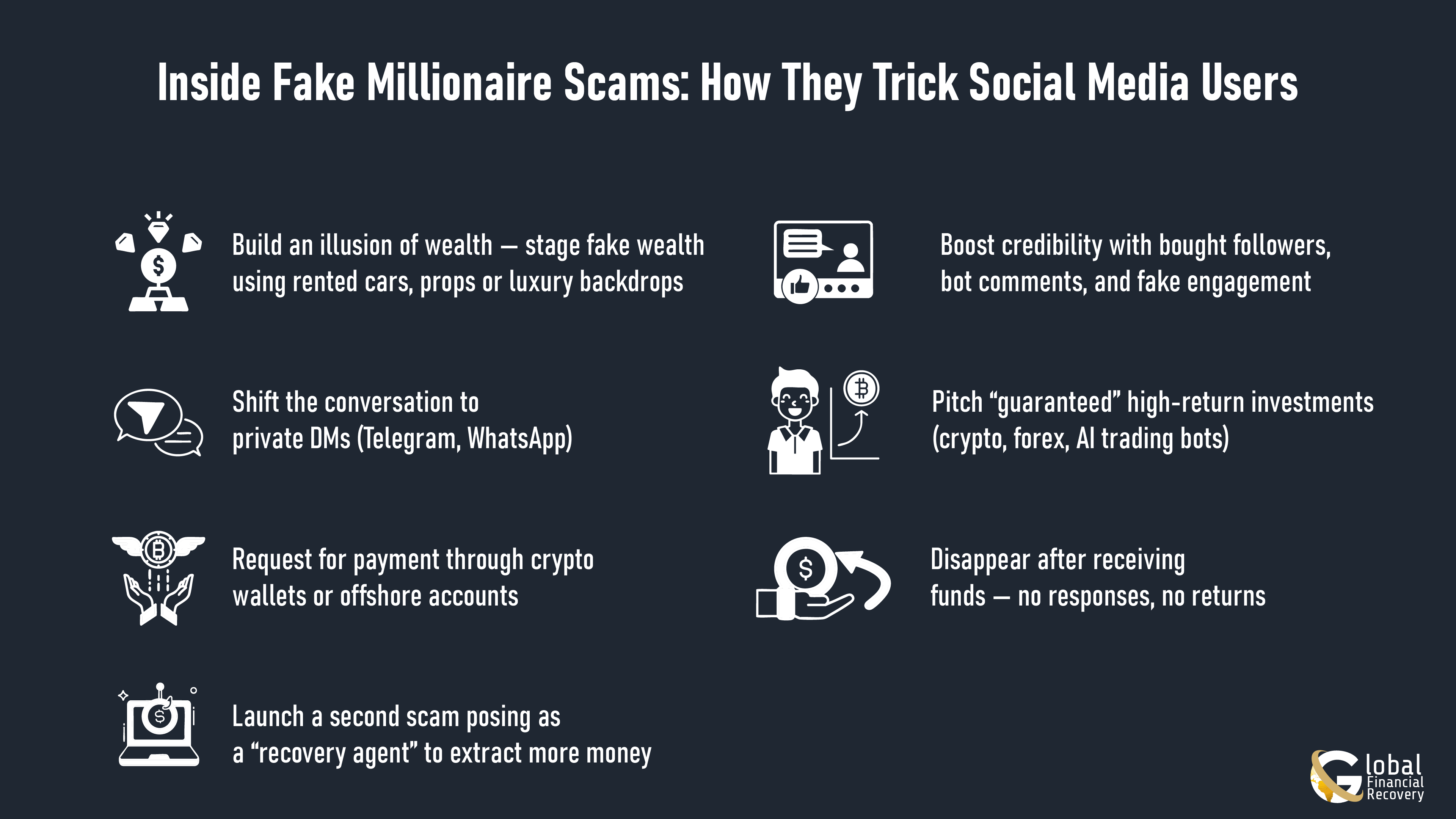
The majority of these pictures are hired out on a short-term basis, photographed by a freelancer, or produced through artificial intelligence. This fake lifestyle is designed to make victims believe they are dealing with a real, successful investor or mentor. Most of these images originate from luxury rental photoshoot scams, paired with AI-generated wealth personas designed to manipulate viewers.
Once the “rich influencer” image is established, scammers artificially grow their profile using bought followers, fake comments, and engagement bots. They also run multiple cloned or impersonated accounts to give the impression that they are verified and trustworthy. This boosted visibility lowers people’s guard and gives the scammer a false sense of authority.
The next phase is to showcase fake results. This is where proof-of-wealth scams get dangerous. Scammers post edited profit screenshots, photoshopped trading dashboards, or demo-account results disguised as real earnings. They also publish fake testimonials or AI-generated “students” claiming massive returns. These visuals convince victims that the method genuinely works.
After trust is built publicly, scammers move the conversation into private DMs, usually WhatsApp, Telegram, or Instagram messages. There, they apply pressure, offer “exclusive mentorship,” and promise guaranteed returns through crypto trading, forex flipping, or AI bot automation. The pitch always sounds easy, urgent, and risk-free.
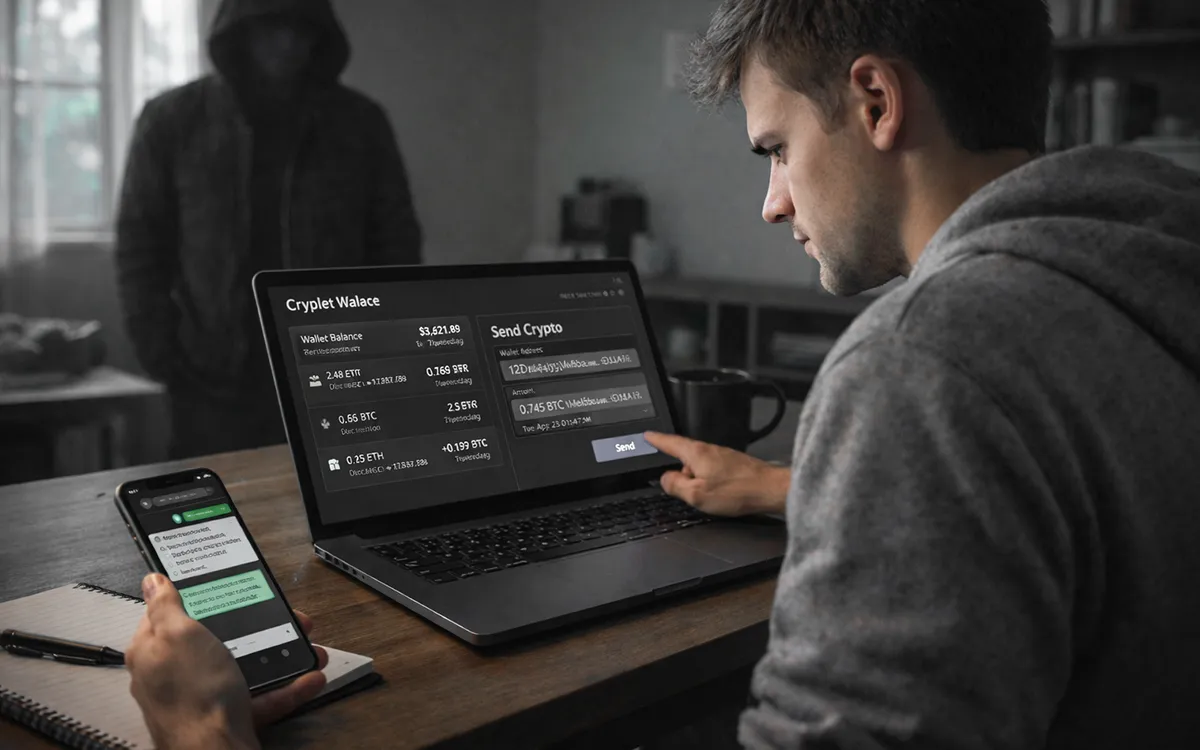
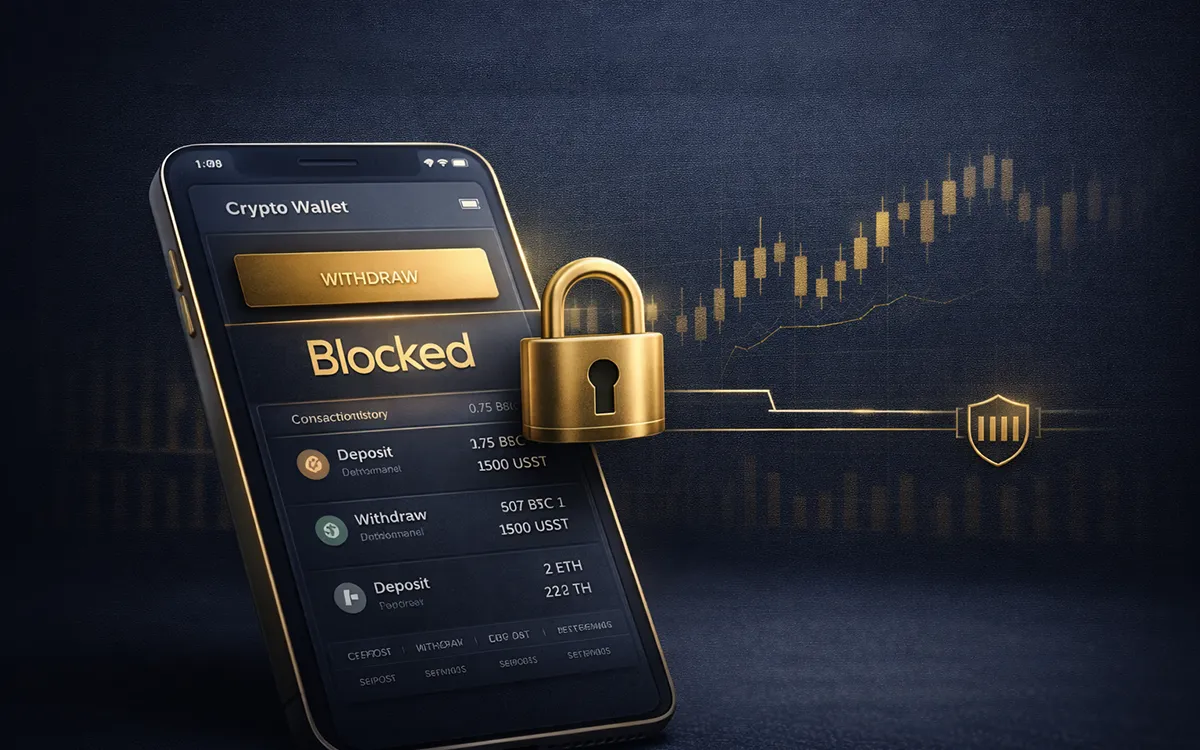
Once the victim agrees, the scammer directs them to send money through crypto wallets, unregulated trading platforms, or fake investment dashboards. These platforms show fake profits but block withdrawals.
When the victim asks questions or requests their money back, the scammer disappears, blocks the account, or deletes their profile entirely. In some cases, victims even get approached by a fake “recovery agent” afterward, which is just the same scammer running a second fraud.
Understanding this entire process makes it easier to recognize different types of fake social media millionaire scams, which we’ll break down in the next section.
Most Common Types of Fake Millionaire Scams on Social Media
Fake millionaires on social media aren’t just isolated cases; they come in many shapes, each with its own trick to fool followers. Recognizing these types can help you protect your money before it’s too late.
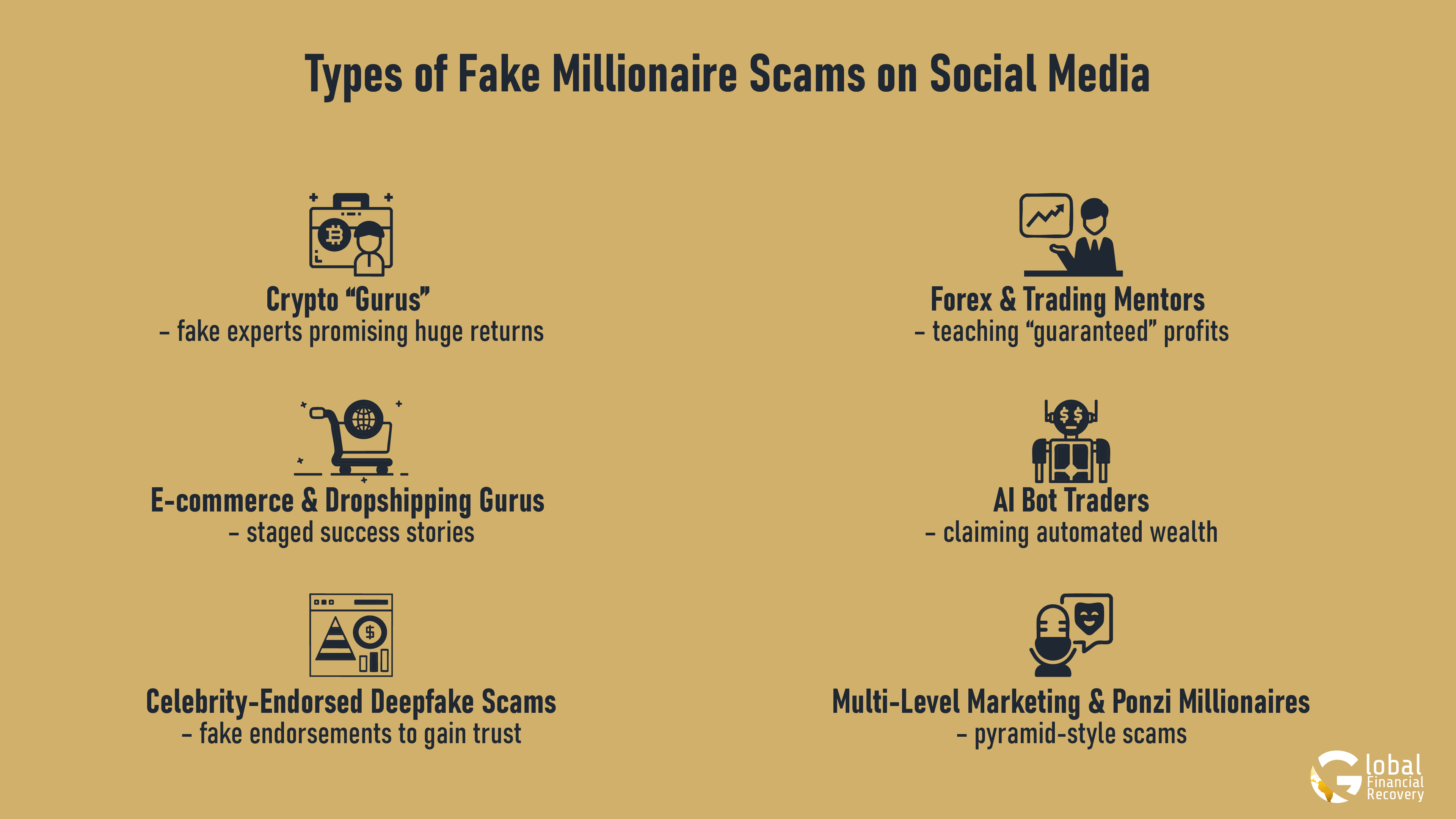
1. Crypto Gurus
These influencers promise huge returns in weeks. They share fake trading screenshots, boast about exclusive Telegram or WhatsApp groups, and sell “insider tips.” Victims are usually asked to transfer funds into unregulated crypto wallets, where recovery is almost impossible.
2. Forex or Trading Mentors
Some “mentors” stage their success using Photoshop trading dashboards and flashy lifestyle photos. They sell paid signals, trading courses, or secret strategies, but most of it is just a way to collect money from unsuspecting followers, causing fake financial mentor scams.
3. E-commerce or Dropshipping Gurus
Claiming to have made millions online, these scammers post staged Shopify or Amazon setups, rented offices, and expensive props. They lure followers into buying costly courses or mentorship programs without any real business behind them.
4. AI Bot Traders
These scams revolve around “automated trading bots” that supposedly generate enormous profits daily. Using AI-generated profiles and fake video calls, they look professional, but the bots are either nonexistent or rigged to prevent withdrawals.
5. Deepfake Celebrity-Endorsed Scams
AI technology lets scammers put celebrities’ faces in videos or images, falsely endorsing investments. This makes deepfakes and AI scams seem trustworthy, and even savvy users can be tricked if they don’t verify sources.
6. Multi-Level Marketing or Ponzi Millionaires
Scammers flaunt luxurious lifestyles to recruit people into Ponzi or multi-level marketing schemes. They push referral bonuses and promise impossible returns, creating a false sense of opportunity.
Next, we’ll explore the red flags to watch for, so you can spot a fake millionaire before you invest.
How to Spot Fake Millionaire Influencers on Social Media?
Instagram, TikTok, and YouTube are rife with influencers displaying lavish lifestyles, planting the seeds of envy and aspiration. Many of these “overnight millionaires” are lying about their wealth so they can attract unsuspecting followers. It is critical to recognize the red flags to protect your money and emotional health.
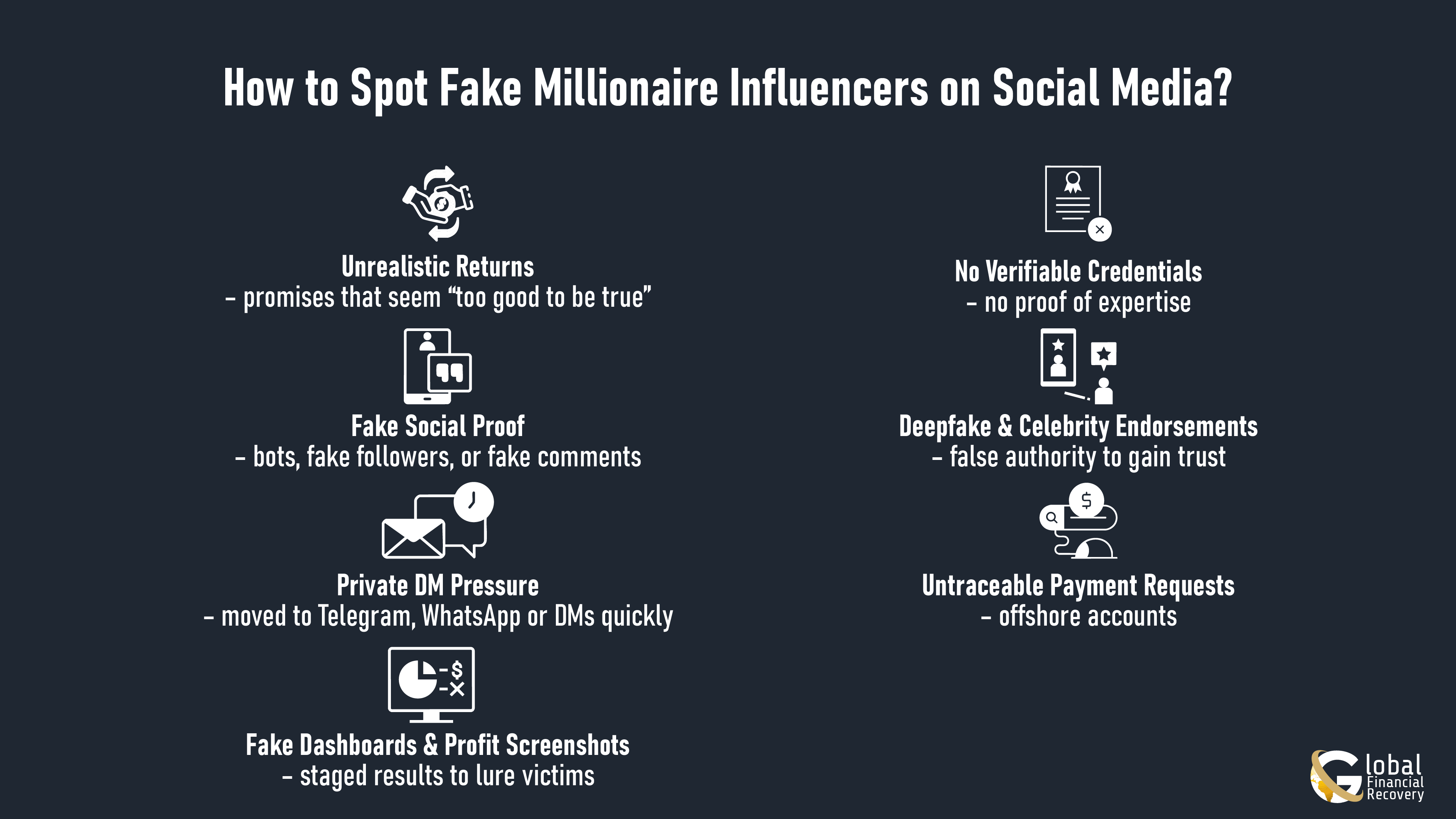
- Unrealistic Returns: Any mention of huge, quick gains should raise a flag immediately. This alertness allows you a moment to stop yourself from reacting quickly to an opportunity to invest.
- Lack of Verifiable Credentials: If an influencer has no company registration, no LinkedIn account, or no mention in legitimate media, there’s no legitimate credibility. Recognizing this keeps you from trusting a fake persona.
- Fake Social Proof: Purchased followers, repeated bot comments, and inflated engagement numbers create a false sense of popularity. Recognizing this prevents you from mistaking fake popularity for credibility.
- Deepfake or Celebrity Endorsements: Artificial Intelligence-altered videos or pictures made with a celebrity likeness are fabricated in videos and marketing to lure followers and exploit trust. Knowing this keeps you from assuming a celebrity level of trust.
- Private DM Pressure: When conversations are moved off-platform, scammers can manipulate victims privately. Understanding this protects your personal boundaries.
- Untraceable Payment Requests: Requests for crypto or unregulated payment methods are dangerous because funds are nearly impossible to recover.
- Fake Dashboards & Profit Screenshots: Falsified charts and app visuals create the illusion of earnings. By taking these precautions, you will avoid believing fake evidence.
The awareness of such warning signs can help you to be very careful and check the authenticity of the information before investing the money. Considering these red flags, you now have strategies to action that you can use to remain safe to invest in order to secure your investments.
Real-Life Example: The Anna Delvey Fake Millionaire Scam
A real-life case that mirrors today’s fake millionaire influencers is the story of Anna Delvey, also known as the fake German heiress. Her name became famous after she convinced New York’s elite, luxury hotels, and even banks that she was a wealthy heiress with a huge trust fund. She did it the same way fake influencers do today, by creating a lifestyle that looked real from the outside.
According to NBC News, Anna stole about $275,000 and was later found guilty of theft and grand larceny, receiving a sentence of 4 to 12 years.
Her story shows how easy it is for someone to fake luxury and status. Just like modern social media millionaires, she used confidence, luxury visuals, and emotional manipulation to make people trust her. Her case is a reminder that online wealth can be staged and very dangerous if you don’t verify the truth.
How to Protect Yourself from Fake Millionaires Online?
Even the smartest social media users may be fooled by social media scams, but a step-by-step method can ensure you are not a victim. All the precautions mentioned below aim at securing your money and personal information, as well as your peace of mind directly.
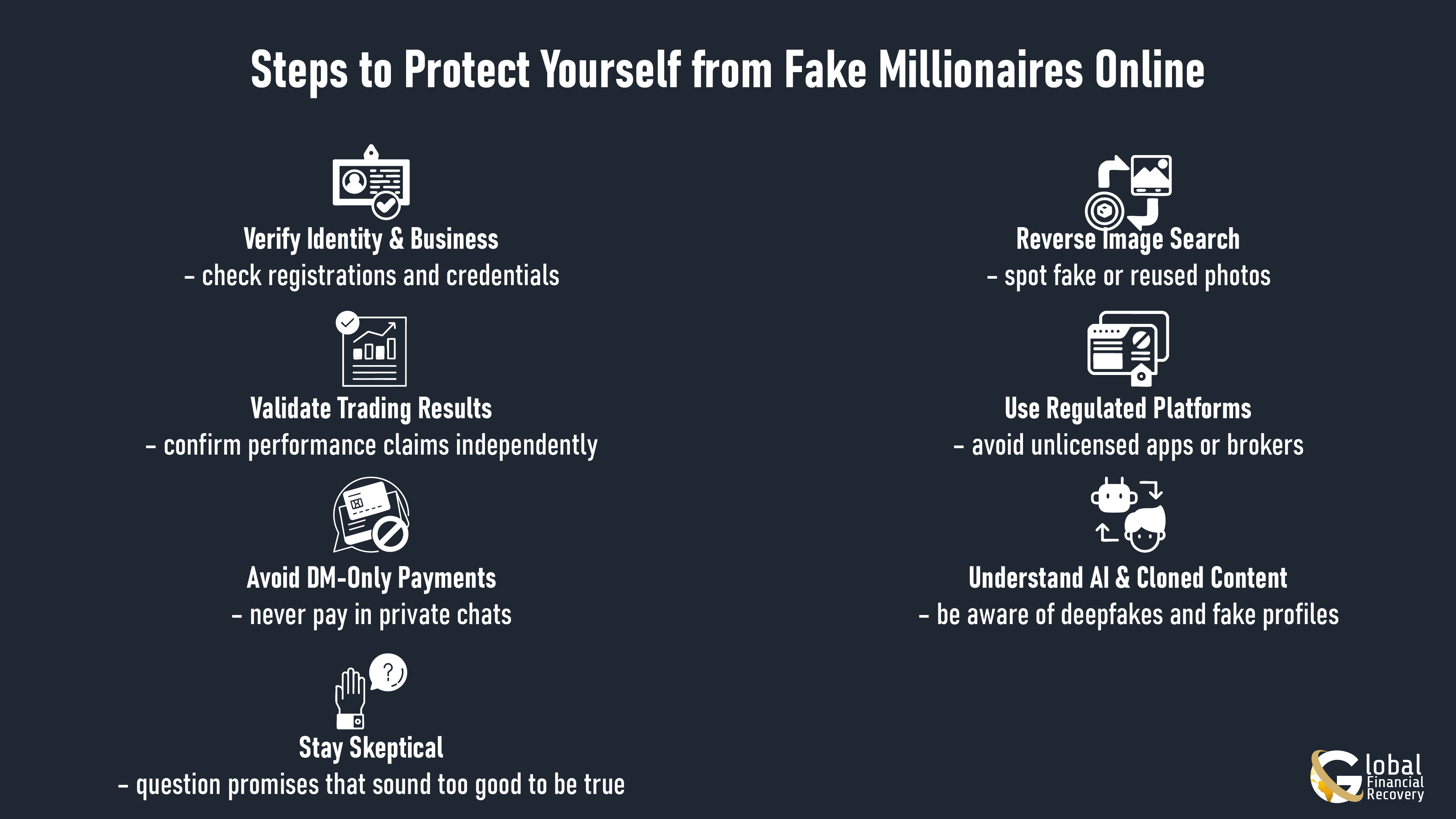
- Verify Identity & Business Registration: Checking LinkedIn profiles, registration of a company, or good press coverage will check whether you are communicating with honest professionals. This safeguards the money sent to an individual with no genuine track record.
- Reverse Image Search: Fraudsters tend to use images that have been stolen or created with AI. Browsing through the web assists in finding out fake accounts, and it prevents victims from trusting a person who does not exist.
- Validate Trading Results: Ask for audited proof instead of screenshots. This step protects you from fabricated evidence that could convince you to invest in fake schemes.
- Use Regulated Platforms: Investing only on licensed platforms reduces the risk of fraud. It prevents money from disappearing into untraceable channels.
- Avoid DM-only Payments: Never transfer funds through private chats alone. This keeps your transactions documented and safer.
- Understand AI & Cloned Content: Recognizing deepfakes and AI-generated personas prevents emotional manipulation and falling for someone pretending to mentor you.
- Maintain Skepticism: Question flashy lifestyles or guaranteed profits. Being cautious protects you from impulsive decisions and large financial losses.
If you want to learn more about common tactics used by fraudulent social media influencers and how to stay safe online, check out our in-depth social media influencer scam guide. By implementing these measures, you can confidently navigate social media and avoid falling prey to fake millionaires.
How to Recover from Fake Social Media Millionaire Scams?
Realizing you’ve been scammed can leave you stressed, confused, and unsure of what to do next. Take a deep breath. There are steps you can take right now to protect yourself.
Immediate steps to take if you’ve been scammed by fake social media millionaires:
-
Cut off the scammer immediately
Don’t reply to their messages or anyone claiming to be a “recovery specialist” who suddenly appears; they’re usually scammers as well.
-
Gather every piece of proof
Save your conversations, payment confirmations, wallet IDs, emails, and any links you interacted with. These details help professionals trace your case.
-
Report what happened
Inform the platform used during the scam, as well as your local law enforcement agencies, such as the FTC, FCA, Europol, or your country's cyber cell.
-
Don’t send more money, ever
Please recall your scammer may offer you withdrawals, or refunds, or reimbursements just to legally take more of your money; it is again another scam to further deceive you. Do not send them a single dollar.
-
Get professional guidance
They can often analyze the evidence you have, trace the funds, and provide you with professional direction on how to safely and properly go forward with fund recovery.
You are not responsible for the scammer's actions! They develop these scams to look believable and real. The faster you act now, the better your chances are of having access to professional help.
Stay Safe From Fake Online Wealth Offers
Don’t let flashy Instagram or TikTok lifestyles fool you; most online millionaires are fabricated. Recognizing scams, protecting your investments, and taking immediate action are essential.
If you’ve lost money or want to safeguard your finances, contact Global Financial Recovery now. With our expert blockchain tracing, legal support, and scam recovery services, you can reclaim what’s yours and stay safe online.
FAQs (Frequently Asked Questions)
Look for unrealistic profit claims, low-quality followers, odd comments, and sudden DM conversations. Verify their background through online searches, reverse image tools, and official business records.
You can read the message, but avoid sending money or personal information. Cross-check their claims from independent sources and always deal through regulated financial platforms.
Most of them aren’t. Many scammers use deepfake videos to make it look like celebrities support their platform. Always confirm through verified social media handles before believing it.
In many cases, yes. Quick action is important. Collect all proof and contact experienced recovery teams, such as Global Financial Recovery, to trace transactions and assist in the recovery process.
Because scammers use psychology, they mix luxury content, emotional hooks, and AI tools to build trust. Many people fall for fake luxury lifestyle scams because the lifestyle looks achievable, and social media boosts these posts heavily.
Recover Your Scammed Money Now
Recent Posts



Empowering you to reclaim what's rightfully yours. Together, we stand strong against financial fraud.