
New Hampshire Bill Aims to Help Victims of Crypto ATM Fraud
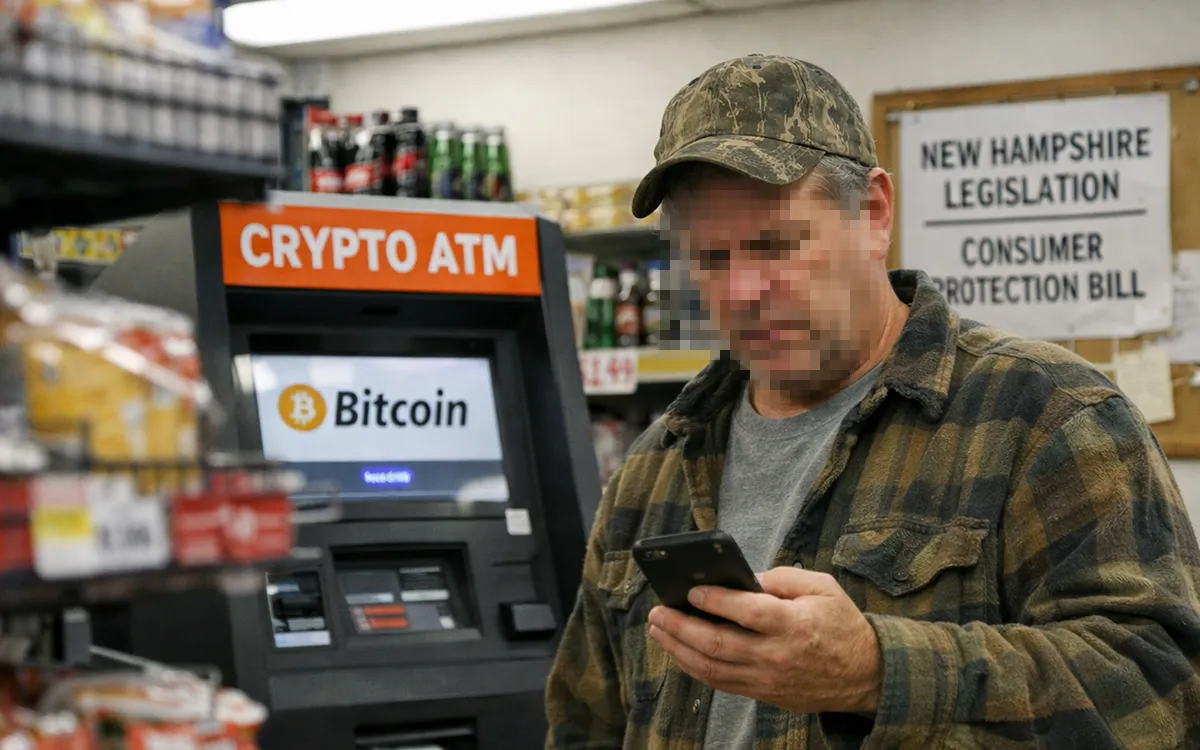
The New Hampshire Senate has passed a bill that could make a real difference for people who have lost money in crypto scams. It’s still early, but the intent is clear- there’s finally some push to deal with a problem that has been quietly growing. Recent estimates suggest that crypto-related scams in the United States have led to losses of over $1 billion annually, with a rising share linked to crypto ATMs.
If you’ve followed crypto scams, you’ll know they don’t usually start with anything obvious. In many cases, it begins with a random call you weren’t expecting. Someone claiming to be from a bank, a government office, or even tech support. The tone is often calm at first, then it is suddenly urgent. Scammers may say something is wrong. Your account, your money, your identity something needs fixing right now.
And that urgency is the hook.
People are told to withdraw cash and head to a crypto ATM. From there, they’re guided step-by-step on what to press and where to send the money. It all feels strangely convincing in the moment. Only later does it hit that the money is gone, and there’s no simple way to get it back. In many reported cases, victims lose anywhere between $5,000 and $20,000 in a single incident, with older adults accounting for a significant share of these losses.
That’s the gap this bill is trying to address.
One part of it looks at refunds. In certain situations, companies running these machines may have to compensate victims. There’s also talk of placing limits on how much money can be sent, especially for someone using a crypto ATM for the first time. It’s not about blocking access- it’s more about slowing things down. Because right now, everything happens too fast.
The bill also leans on something basic but often missing- clear warnings. Not the kind of people people ignore, but messages that actually explain how these scams work. Even a few seconds of doubt at the right moment could stop someone from becoming a victim.
Still, the bill hasn’t received full support. Some believe this could put extra pressure on businesses and possibly change how these services operate. That debate isn’t going away anytime soon.
For now, the bill moves ahead for further approval. Whether it becomes law or not, it does signal a shift. These scams are no longer being brushed aside as rare cases- they’re being taken seriously.
For the people who’ve already lost money this way, even that shift matters.
Book A Free Consultation
Recent News
Empowering you to reclaim what's rightfully yours. Together, we stand strong against financial fraud.