
Romance Scammers Posing as Famous Musicians Stole $12 Million From Fans, FBI Warns
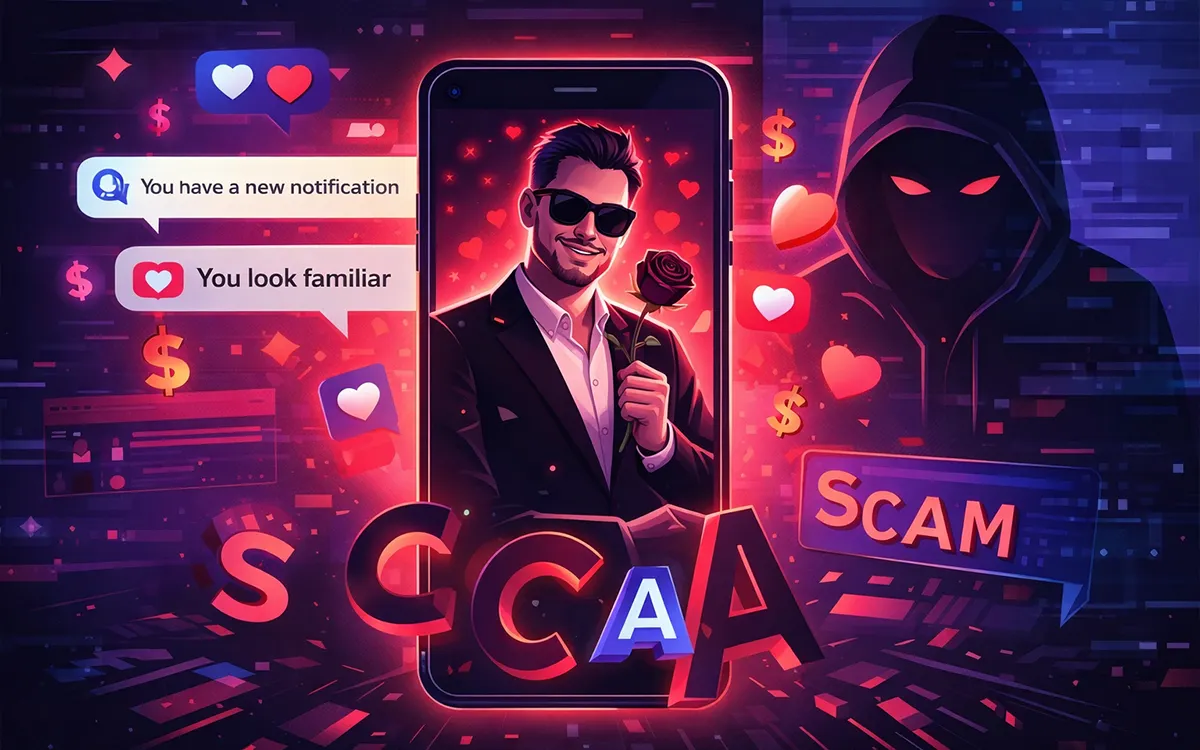
Criminals pretending to be musicians have stolen more than $12 million from fans through romance scams. The FBI's Nashville office released the warning last week after reviewing hundreds of complaints.
The scam works simply. Criminals create fake profiles on social media. They pretend to be popular artists. Then they reach out to fans and build fake romantic relationships over weeks or months.
Once trust is established, the scammers ask for money. They invent emergencies. They claim they need help with travel costs or medical bills. Victims believe they're helping someone they love.
Older fans got hit the hardest. Nearly 60% of victims were over age 60. The FBI received 527 complaints about these scams between January 2024 and September 2025. Total losses reached $12.2 million.
"We urge everyone to pause before taking action," said Terence G. Reilly, Special Agent in Charge of the FBI Nashville Division. He warned people to watch out for high-pressure tactics.
Nashville sits at the heart of the American music industry. That makes it a natural target. Scammers know fans who follow artists closely. They exploit that passion.
The music industry faced other cyber threats, too. Hackers broke into social media accounts belonging to real musicians. Some demanded ransom payments. Others stole unreleased songs.
In one case, a former sound engineer allegedly copied unreleased music without permission. He later sold the tracks online for profit.
Even streaming platforms aren't safe. Some criminals used AI to generate fake songs. They then used bots to stream the tracks millions of times. This lets them steal royalty payments meant for real artists.
Musicians themselves lost money, too. The FBI counted 107 complaints from artists, managers, and producers. They lost $777,000 to fake contract offers and payment schemes.
The agency offered some basic advice. Use strong passwords. Turn on two-factor authentication. Don't click suspicious links. And be skeptical of anyone asking for money online.
Real celebrities don't slide into your DMs asking for cash. They don't need your help paying bills.
Anyone who thinks they've been targeted should report it to the FBI's Internet Crime Complaint Center. The sooner victims report, the better chance investigators have to track the money.
Book A Free Consultation
Recent News
Empowering you to reclaim what's rightfully yours. Together, we stand strong against financial fraud.