
US Treasury Sanctions $800M N. Korea Crypto Fraud
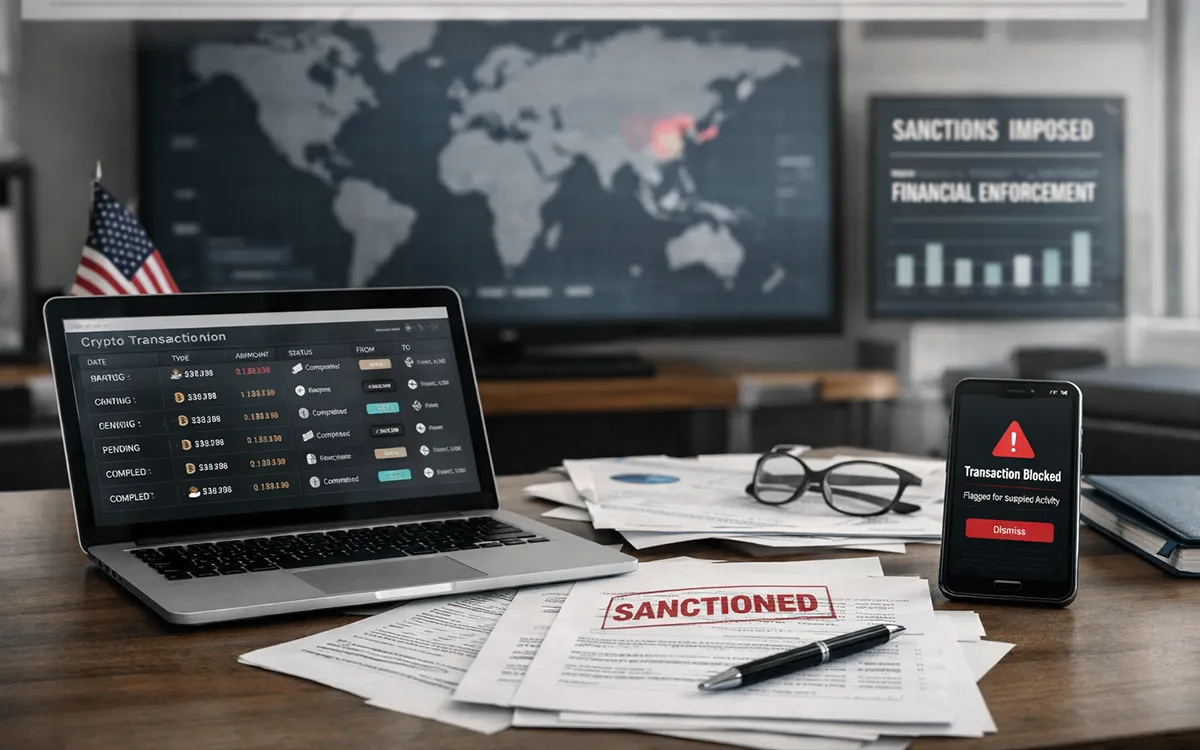
In March 2026, the U.S. Department of the Treasury introduced new sanctions against some individuals and organizations. This came after the department accused the individuals and organizations of being behind the creation of close to $800 million in a cryptocurrency business that is connected to North Korea. The new sanctions were imposed by the enforcement division, Office of Foreign Assets Control (OFAC). OFAC is the office that manages the U.S. economic sanctions programs.
How was the Scheme Operated?
U.S. authorities said that the plot included North Korean spies impersonating distant IT professionals to attain employment in the world's companies, including those in the United States. These people were supposedly recruited as software developers and blockchain-related positions using forged identities. Their salaries were then transferred to North Korea, frequently changed into cryptocurrency, and sent back to the country via complicated digital wallet systems.
Officials wrote that the operation was dependent on facilitators who were involved in the creation of shell companies, control of crypto wallets, and evading identity checks. These intermediaries were said to be extremely instrumental in terms of money laundering and obscuring the source of transactions. According to the sanctions, all U.S.based assets associated with the specified persons are frozen, and American citizens and businesses are not allowed to engage in any transactions with them.
The U.S. authorities have on numerous occasions reiterated that North Korea is utilizing cyber-enabled financial systems to circumvent sanctions and fund state services.
The case demonstrates the possibility of using cryptocurrency to carry out evasion of sanctions because it is borderless and pseudonymous. However, the transparent nature of blockchain ledgers allows investigators to trace suspicious transactions using advanced forensic tools.
Remember
This enforcement measure is an indication that digital finance is an opportunity and a risk. Firms should enhance verification procedures, compliance, and monitoring systems for remote hiring. People are also advised to be wary of the way they undertake activities or investments in cryptocurrencies.
Cryptocurrency is not beyond regulation. Illicit networks are getting more disrupted as authorities keep advancing the ability to trace more effectively and establish collaboration across borders. Vigilance, due diligence, and compliance are some of the key protections in the current dynamic digital economy.
Book A Free Consultation
Recent News
Empowering you to reclaim what's rightfully yours. Together, we stand strong against financial fraud.