
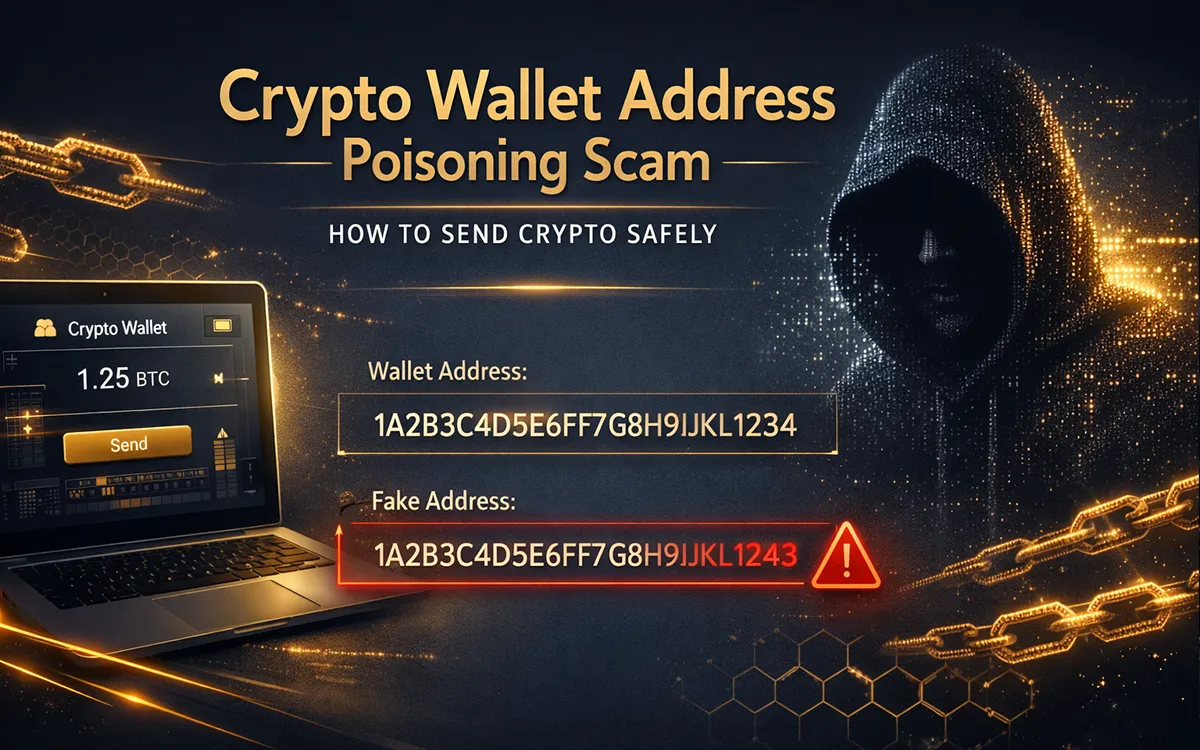
Crypto Wallet Address Poisoning Scam: How to Send Crypto Safely
- Cryptocurrency
- February 13, 2026
Table of Contents
Crypto was built to be fast and secure. But there’s one hard truth every user needs to know: crypto transactions are permanent. Once you send funds, they cannot be reversed. If the address is wrong, even by one character, the money is gone. This is where things get risky.
One growing threat many users don’t see coming is the crypto wallet address poisoning scam. In this scam, attackers trick people into sending crypto to the wrong address by copying and mimicking wallet details. It looks familiar. It feels safe. But it isn’t.
Reports of poisoning attacks have become increasingly common across major blockchains. A large study analyzing activity on Ethereum and Binance Smart Chain identified more than 270 million address poisoning attempts targeting around 17 million crypto wallets. The research also confirmed over $83 million in losses across thousands of successful incidents between 2022 and 2024, showing how widespread these scams have become.
Poisoning crypto scams are not only aimed at the experts. They are also aimed at common people who only want to transfer money fast and safely. A single error can result in a huge loss. This is why the security of sending crypto is at the highest stakes.
You will find out in this guide what address poisoning scams are, how they operate, and the easy measures that you can adopt to guard yourself next time before sending your transaction.
What Is a Crypto Wallet Address Poisoning Scam?
A crypto wallet address-poisoning scam is a type of fraud in which cryptocurrency is sent to the wrong wallet address by mistake.
In this wallet address poisoning scam, scammers send a very small amount of crypto to a wallet. This small transfer appears in the wallet’s transaction history. The sender’s wallet address is made to look very similar to an address the user has used before.
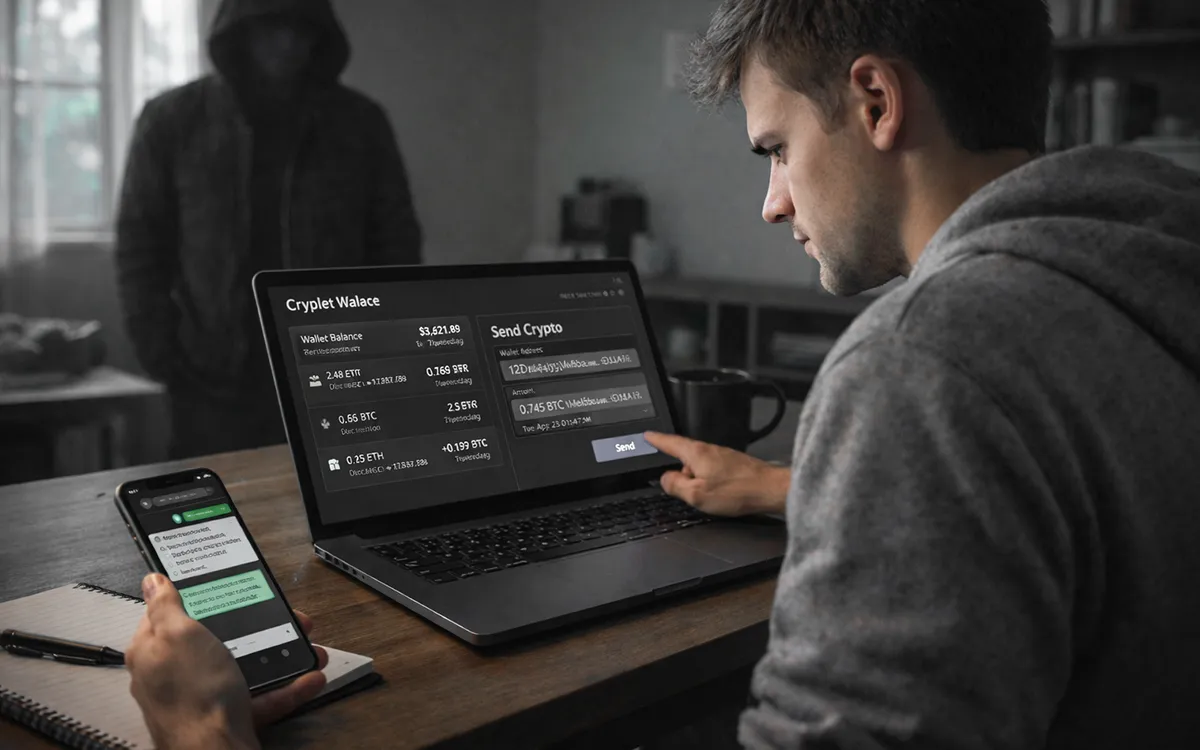
Later, when crypto is sent again, the user may copy an address from their past transactions. If the poisoned address is copied instead of the real one, the crypto is sent to the scammer.
This crypto address-poisoning attack does not break into wallets or steal passwords. It takes advantage of how people normally copy and paste wallet addresses to avoid typing errors.
Once the crypto is sent to the wrong address, the transaction cannot be reversed. The funds are permanently transferred to the scammer’s wallet.
Address poisoning, sometimes referred to as a "vanity address scam" or “copy-paste crypto attack,” targets users who rely on copying wallet addresses from previous transactions.
Other incidents throughout 2024 and 2025 targeted high-value wallets belonging to DeFi users, traders, and crypto “whales.”
Understanding what address poisoning is in crypto helps reduce the risk of sending crypto to the wrong address.
How Address Poisoning Scams Work Step by Step
Understanding how address poisoning scams work can help prevent costly mistakes. These scams follow a simple and repeatable pattern.
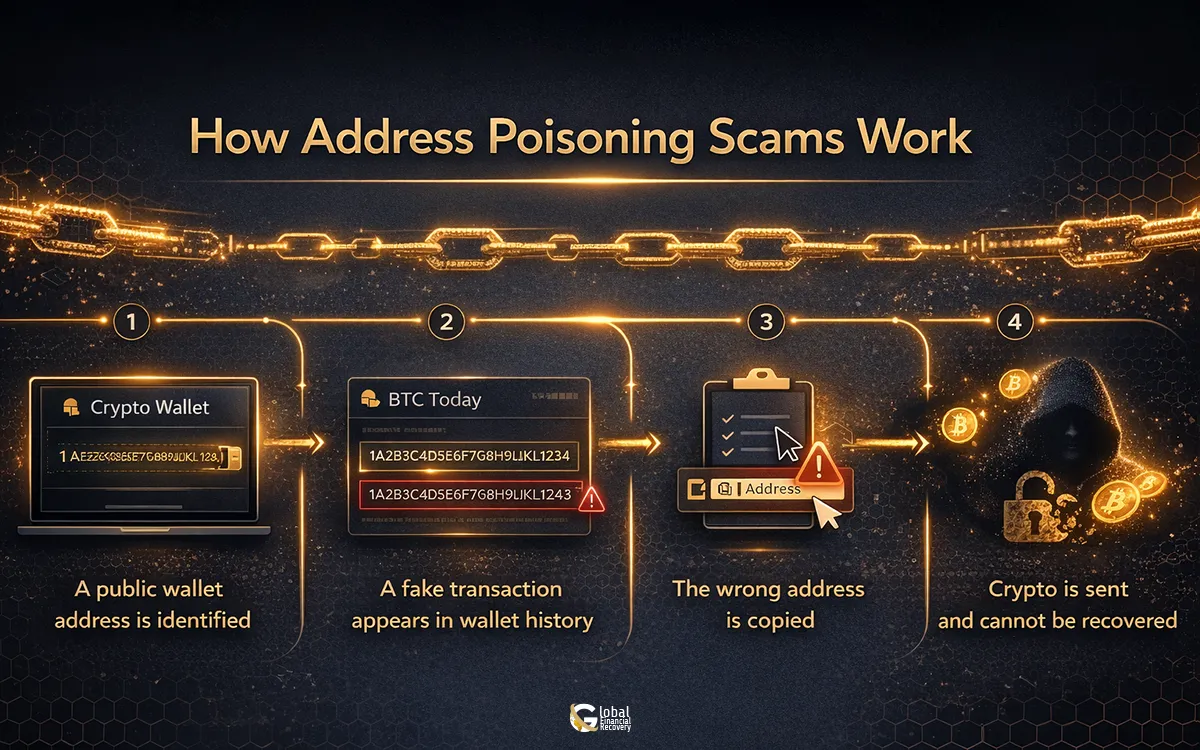
Step 1: A public wallet address is identified
Wallet addresses are visible on the blockchain. Scammers monitor public transactions and identify active wallet addresses that regularly send or receive cryptocurrency.
Step 2: A fake transaction appears in the wallet history
The scammer sends a very small amount of crypto to the target wallet. This transaction appears in the wallet’s history and includes a sender address that closely resembles a real address used before.
Step 3: The wrong address is copied
When crypto is sent later, the user may copy an address from the transaction history instead of pasting the correct one. Because the addresses look similar, the mistake often goes unnoticed. Similar social engineering techniques are also used in other scams covered in our guide on how to protect yourself from crypto scams.
Step 4: Crypto is sent and cannot be recovered
The crypto is sent to the scammer’s wallet. Due to the permanent nature of blockchain transactions, the funds cannot be reversed or canceled. This process explains how crypto address scams happen without hacking or direct wallet access. The loss occurs due to a single copying error.
Common Types of Crypto Address Poisoning Attacks
Crypto address poisoning scams come in a few common forms. While the methods differ slightly, the goal is always the same: to make you send crypto to the wrong wallet address.
- Transaction History Poisoning
Scammers send a small transaction to your wallet using an address that looks similar to one you’ve used before. When you copy an address from your transaction history, you may accidentally select the scammer’s address instead of the real one. - Look-Alike Address Poisoning
In this method, scammers create wallet addresses that match the first and last characters of a trusted address. If you only check part of the address before sending crypto, the fake address can appear legitimate. - Dusting-Based Poisoning
Scammers send a tiny amount of crypto to your wallet. This places their address in your transaction list, increasing the chance you might copy and reuse it later by mistake. - Saved Address Poisoning
Some wallets allow users to save frequent addresses. Scammers may trick users into saving a poisoned address through fake messages or impersonation, leading to repeated losses. - Cross-Chain Address Poisoning
This happens when users transfer assets across different blockchains. Scammers take advantage of reused or similar-looking addresses, hoping users won’t fully verify the address on each network.
These scams rely on careless copying and quick approvals, not wallet hacking, making careful address checks essential before every transaction.
Red Flags of an Address Poisoning Scam
Address poisoning scams are difficult to detect because they blend in with normal wallet activity. There are no fake messages or direct contact from scammers. The transfer appears routine, but small details can be easily overlooked. Knowing the warning signs can help prevent accidental crypto losses.
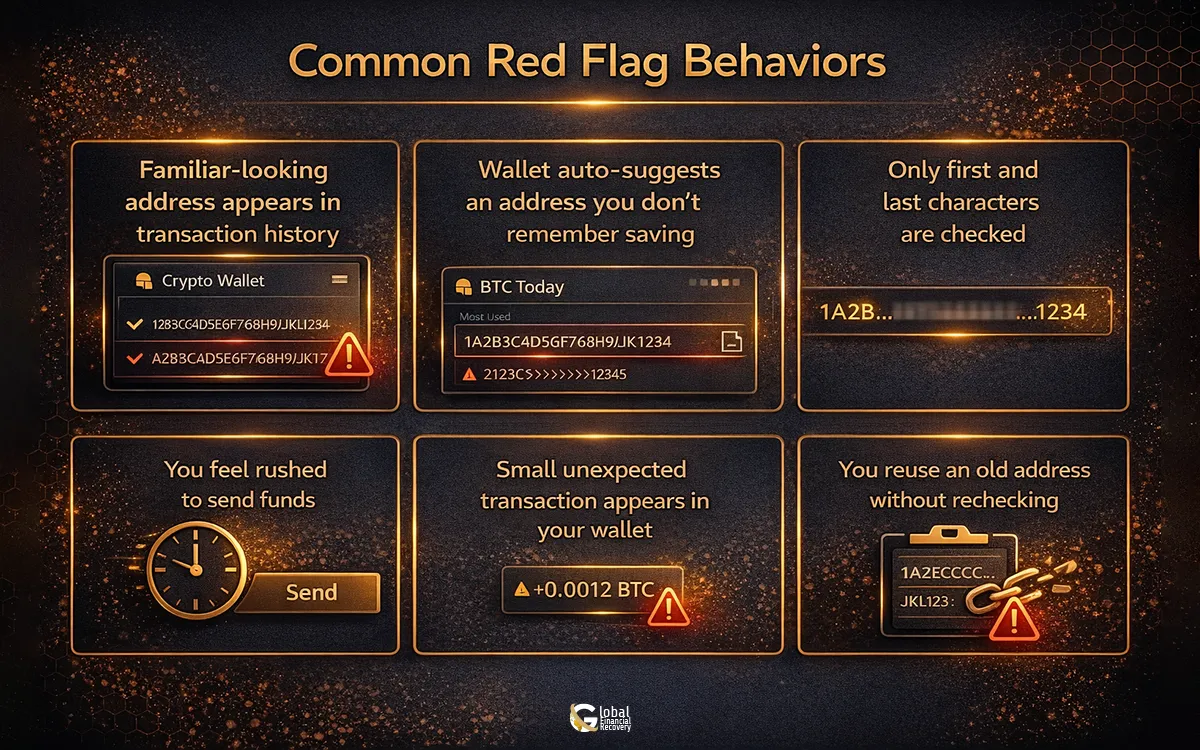
Common Red Flag Behaviors
- A familiar-looking address appears in the transaction history
Scammers use addresses that closely resemble ones you have used before. - Your wallet auto-suggests an address you don’t remember saving
Recent addresses may include poisoned entries placed there by scammers. - Only the first and last characters are checked
Address poisoning relies on users skipping a full address review. - You feel rushed to send funds
Urgency increases the risk of copying the wrong address. - A small, unexpected transaction shows up in your wallet
Scammers send tiny amounts to insert their address into your history. - You reuse an old address without rechecking the source
Copying from past transactions increases risk.
Blockchain analysts have also observed funds sent to poisoning scams surge by more than 15,000% in some attack campaigns, showing how quickly these scams are spreading.
Address poisoning exploits routine habits. Taking a few extra seconds to verify the full wallet address can prevent permanent crypto losses.
How to Avoid a Crypto Wallet Address Poisoning Scam
Learning how to avoid crypto address poisoning can significantly reduce the risk of accidental losses. The steps below help users safely send and protect crypto wallets during everyday transactions.
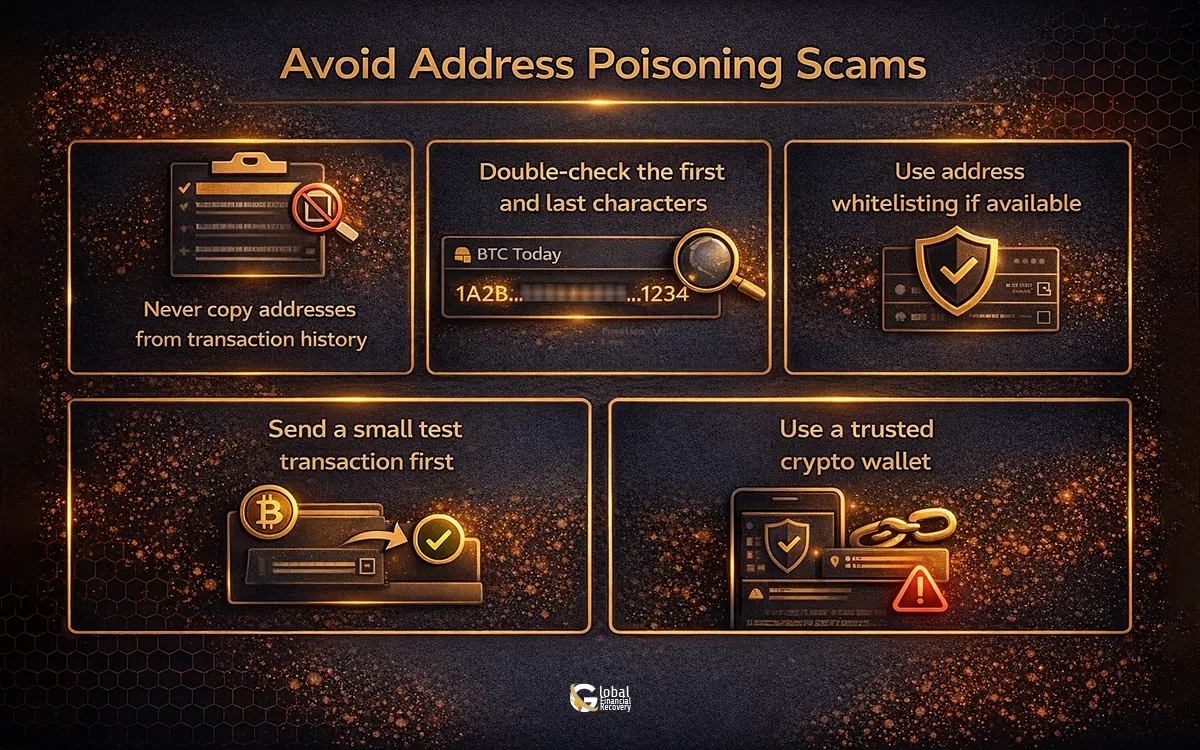
- Never copy addresses from transaction history
Wallet transaction history can include poisoned addresses created by scammers. Always copy the recipient’s wallet address from a trusted source, such as an official website, verified message, or saved contact.
- Double-check the first and last characters
Wallet addresses are long, but scammers often match the beginning and end of an address. Checking the first few and last few characters helps confirm the address is correct before sending funds.
- Use address whitelisting if available
Some software and hardware wallets allow users to save approved wallet addresses. This feature reduces the risk of sending crypto to unknown or altered addresses and adds an extra layer of protection.
- Send a small test transaction first
For large transfers, sending a small test amount first helps confirm the address is correct. Once the test transaction is successful, the full amount can be sent with greater confidence.
- Use a trusted crypto wallet
Reliable wallets offer stronger security features, clear transaction details, and better protection against common crypto wallet scams. To learn more, read our guide on Choose the Right Crypto Wallet to Store Crypto Safely.
Following these steps helps reduce common crypto transfer mistakes and lowers the risk of address poisoning scams.
How Address Poisoning Is Different From Other Crypto Wallet Scams
Address poisoning scams are often confused with other types of crypto fraud. While the outcome is similar, loss of funds, the methods are different.
- Fake wallet apps
In fake crypto wallet scams, users download an application that looks legitimate but is controlled by scammers. These apps are designed to steal private keys or redirect funds. Address poisoning does not require installing any fake software. To learn more about this type of fraud, read our guide on Fake Crypto Wallet Scams.
- Phishing links
Phishing scams use emails, messages, or fake websites to trick users into entering wallet details or recovery phrases. In crypto phishing vs address poisoning, the key difference is access. Phishing attempts to gain direct control of a wallet, while address poisoning relies on copying the wrong address.
- Impersonation scams
Impersonation scams involve pretending to be a trusted person or service. Scammers pressure users into sending crypto to a provided address. Address poisoning does not involve communication or direct contact.
|
Scam Type |
How the Scam Works |
User Interaction Required |
Main Risk |
|
Address Poisoning |
Scammers send small transactions to make a fake wallet address appear in the transaction history. Users accidentally copy and reuse it. |
No direct contact or messages |
Funds sent to the wrong wallet address |
|
Fake Wallet Apps |
Users install a wallet app that looks legitimate but is controlled by scammers. |
App download and setup |
Private keys stolen or funds redirected |
|
Phishing Scams |
Fake emails, messages, or websites trick users into entering wallet details or recovery phrases. |
Clicking links and entering information |
Full wallet access taken |
|
Impersonation Scams |
Scammers pretend to be a trusted person or service and request crypto payments. |
Direct communication and pressure |
Funds sent to the scammer’s address |
Address poisoning stands out among crypto wallet scams because it exploits normal transaction habits rather than deception through messages or fake platforms.
Example of an Address Poisoning Scam
Address poisoning scams have already caused major cryptocurrency losses in recent years.
In December 2025, a cryptocurrency trader lost nearly $50 million in USDT after copying the wrong wallet address from their transaction history during a transfer. The attacker had inserted a look-alike wallet address using a small “dust” transaction, so it appeared legitimate in the wallet’s recent activity. When the victim later copied the address for a large transfer, the funds were mistakenly sent to the scammer’s wallet instead.
Security analysts explained that the scam worked because the fraudulent address closely matched the first and last characters of the victim’s real wallet address. Since many crypto users only check the beginning and ending characters before sending funds, the difference went unnoticed until the transfer was confirmed.
Cases like this highlight how even experienced crypto users can fall victim to address poisoning attacks, especially when sending large transactions quickly.
Read one more recent news, crypto poisoning 24 million scam .
What to Do If You Sent Crypto to a Poisoned Address
When crypto is sent to a poisoned address, the transaction cannot be reversed. Blockchain transfers are permanent once confirmed. This often causes confusion and stress, especially when the mistake is discovered later.
- Acting quickly is important. Although it is impossible to cancel a lost crypto transaction, the sooner an action is taken, the higher the likelihood of tracing the whereabouts of the funds.
- Research on blockchain assists in following transactions between wallets and exchanges. Investigators examine the path of transactions, wallet behavior, and patterns of movement to know where the crypto was transferred and whether it was sent to an exchange or service that could cooperate in recovery operations.
- In case of people who want to receive crypto that was sent to the wrong address and have to recover it, professional help may be helpful. Crypto scam recovery specialists have worked on blockchain analysis and legal and compliance systems.
- Organizations such as Global Financial Recovery focus on cryptocurrency scam recovery by helping victims understand their options and determine whether further action is possible. To learn more about this process, visit our services. Even when recovery is not guaranteed, taking informed and timely steps helps avoid further losses and provides clarity on the next course of action.
Staying Safe From Address Poisoning Scams
Address poisoning scams take advantage of small mistakes and routine habits. They do not rely on hacking or advanced tools. A single copied address can result in a permanent loss.
Understanding how these scams work makes it easier to avoid them. Checking wallet addresses carefully, slowing down transactions, and using basic safety practices can greatly reduce risk. These steps help users send crypto safely and protect their wallets from common errors.
Even with precautions, mistakes can happen. When crypto is sent to the wrong address, knowing the right steps to take can prevent further loss and confusion. Reviewing the situation early and seeking reliable information is important.
When there is uncertainty about what happened or whether recovery options exist, learning more about the process can help clarify the next steps. Resources focused on cryptocurrency scam recovery, such as those provided by Global Financial Recovery, can offer guidance on understanding transactions and available options.
Staying informed remains one of the strongest defenses against crypto wallet scams.
FAQs (Frequently Asked Questions)
A crypto wallet address poisoning scam is a type of fraud where scammers insert fake or altered wallet addresses into your transaction history. Users who copy these addresses accidentally send crypto to the wrong wallet. Unlike phishing or fake wallet apps, address poisoning does not require clicking links or downloading software—it exploits normal wallet activity.
Red flags of a poisoned wallet address include addresses that look familiar but slightly differ, auto-suggestions from recent transactions, or small, unexpected transactions in your history. Always check the full wallet address, especially the middle characters, before sending crypto to reduce the risk of loss.
Yes. To prevent address poisoning, never copy addresses from transaction history, use address whitelisting if your wallet supports it, verify the first and last characters, send a small test transaction for large amounts, and always use a trusted crypto wallet with strong security features.
Wallet addresses are long and complex, and even a single wrong character can send crypto to a scammer’s wallet permanently. Double-checking ensures you are sending funds to the correct recipient, which is crucial because crypto transactions cannot be reversed once confirmed on the blockchain.
Trusted wallets provide extra safety features like address whitelisting, transaction confirmations, and secure storage. They minimize the chance of accidentally copying poisoned addresses and make it easier to verify recipients, helping you send crypto safely every time
Book A Free Consultation
Recent Posts


Empowering you to reclaim what's rightfully yours. Together, we stand strong against financial fraud.